Why Oklahoma Homes Can’t Afford to Ignore Metal Roofing
If you’re exploring metal roofing in Oklahoma, here’s what you need to know upfront:
| Question | Quick Answer |
|---|---|
| Best metal roof type for Oklahoma | Standing seam (concealed fasteners, highest wind/hail resistance) |
| Typical installed cost | $8–$14 per square foot |
| Average lifespan | 40–70+ years (vs. 15–20 years for asphalt shingles) |
| Energy savings | 10–25% reduction in summer cooling costs |
| Insurance premium discount | Up to 35% with Class 4 impact rating |
| Storm claim deadline | 1 year from date of damage in Oklahoma |
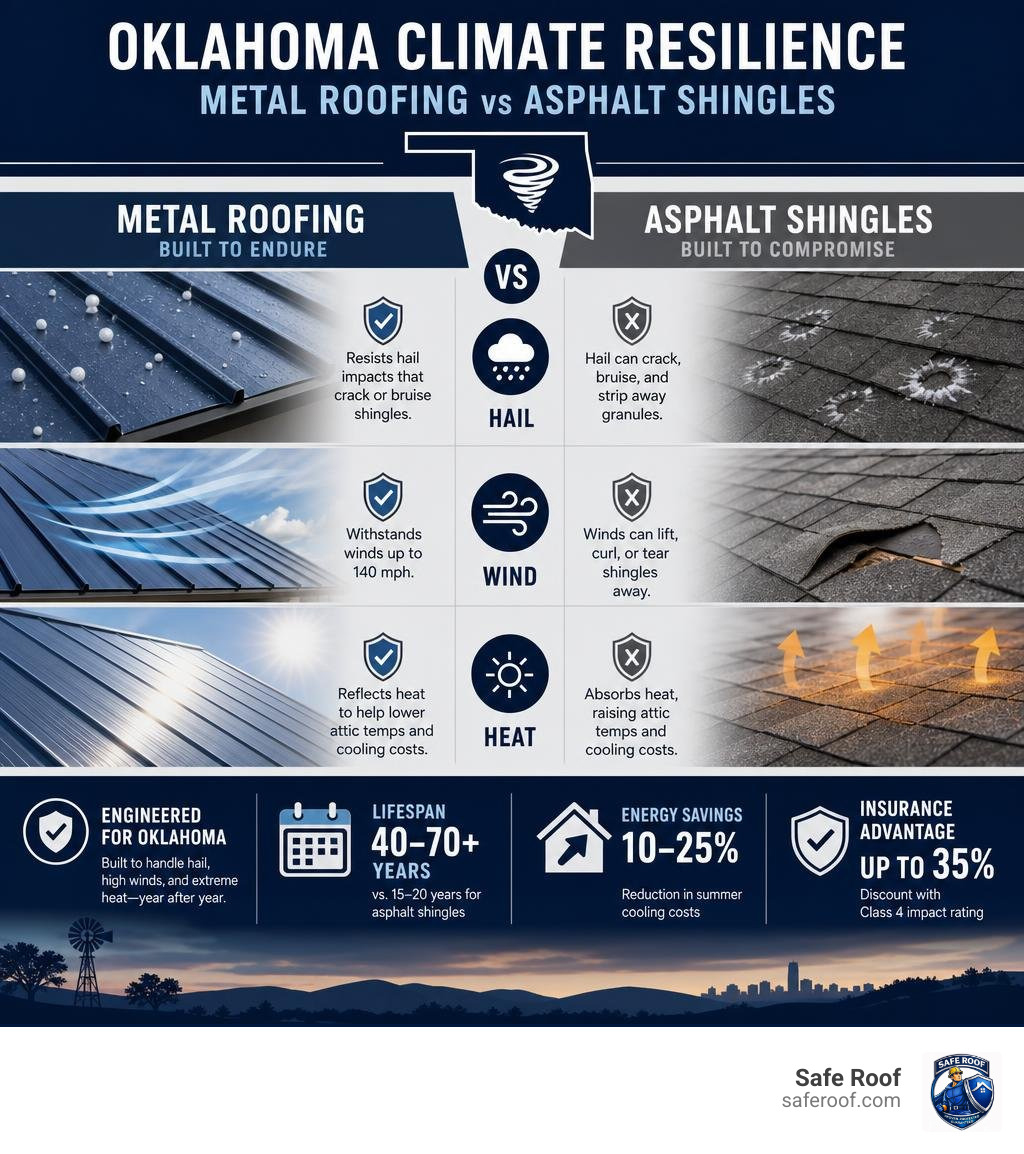
Oklahoma sits squarely in Tornado Alley. The state averages 8–10 damaging hail events every single year. In 2020 alone, a single hailstorm caused over $1.7 billion in metro damage. Straight-line winds routinely exceed 70 mph, and summer temperatures push past 110°F. That combination destroys standard asphalt shingles far faster than most homeowners expect.
Metal roofing is engineered to handle exactly this kind of punishment. A properly installed metal roof can withstand winds up to 140 mph, resist hail impacts that would crack or bruise shingles, and reflect enough heat to meaningfully lower your energy bill — all while lasting two to three times longer than conventional roofing materials.
Safe Roof is a GAF-certified roofing contractor based in Ardmore, Oklahoma, built specifically around the storm-focused needs of Southern Oklahoma and North Texas homeowners.
I’m Jacob Ortiz, owner of Safe Roof, and I’ve spent years helping Oklahoma homeowners navigate metal roofing decisions, storm damage claims, and contractor selection across some of the most weather-exposed communities in the country. That experience with metal roofing in Oklahoma — from hail assessments to full standing seam installations — is what drives every recommendation in this guide.
Why Metal Roofing Oklahoma Weather Can’t Beat

Oklahoma’s climate is notoriously harsh, subjecting residential and commercial structures to a grueling cycle of extreme heat, rapid freeze-thaw shifts, severe thunderstorms, and high-velocity winds. Standard roofing materials degrade quickly under these conditions.
To withstand these forces, a roof must possess exceptional impact resistance and structural integrity. This is where Class 4 impact-resistant metal roofing excels.
The Class 4 impact rating is the highest industry standard for testing material durability against physical strikes. During UL 2218 testing, steel balls of varying sizes are dropped from rapid heights directly onto the roofing material to simulate severe hail. While traditional shingles bruise, crack, and lose protective granules under this test, Class 4 rated metal panels emerge without rupturing, cracking, or exposing the underlying structure.
In real-world conditions, this means your home remains watertight even when a severe storm drops tennis-ball-sized hail. When storms roll through, having a roof that stands up to the elements prevents the need for emergency hail damage roof repair or extensive interior water restoration. Furthermore, the structural design of metal panels makes them highly resistant to wind uplift, securing your home’s envelope during severe straight-line wind events and reducing the likelihood of needing wind damage roof repair.
Standing Seam: The Ultimate Shield Against Oklahoma Storms
For homeowners seeking maximum weather defense, standing seam metal roofing represents the gold standard. Standing seam systems feature vertical metal panels joined by interlocking, raised seams that rise above the flat surface of the roof.
The defining engineering benefit of a standing seam system is its use of concealed fasteners. Unlike traditional metal roofs where screws penetrate the face of the metal, standing seam panels are secured to the roof deck using hidden clips and fasteners protected beneath the interlocking seams. This design completely eliminates thousands of potential leak points.
Furthermore, standing seam systems are engineered to accommodate thermal expansion and contraction. Oklahoma’s massive temperature swings—ranging from sub-zero winter nights to summer days well over 100°F—cause metal to expand and contract. Standing seam clips allow the panels to glide slightly during these temperature shifts, preventing the metal from buckling, warping, or backing out its fasteners. If you are looking for long-term reliability, investing in a high-performance standing seam Metal Roofing system is the single most effective way to secure your home.
Stone-Coated Steel: Traditional Aesthetics with Metal Durability
Many homeowners love the structural benefits of metal but worry about neighborhood architectural guidelines or strict homeowner association (HOA) covenants. If you live in an area with strict aesthetic rules, stone-coated steel is the perfect compromise.
Stone-coated steel roofing consists of structural steel panels protected by an advanced rust-inhibiting zinc-aluminum alloy, which is then coated with ceramic-bonded stone granules. This manufacturing process allows the panels to perfectly mimic the deep-shadowed look of traditional wood shakes, architectural asphalt shingles, or Spanish clay tiles.
Beyond its visual versatility, stone-coated steel offers excellent built-in sound dampening. The textured stone granule coating breaks up the physical impact of rain and hail, absorbing sound waves and providing a quiet interior living environment. To explore how this material stacks up against other profiles, check out our Comprehensive Guide to Metal Roofing Options.
Corrugated Metal: Cost-Effective Protection for Agricultural and Residential Buildings
For detached garages, barndominiums, outbuildings, agricultural pole barns, and budget-conscious residential projects, corrugated metal panels offer highly reliable protection at a lower price point.
Corrugated metal utilizes an exposed fastener system, meaning the panels overlap and are secured with color-matched screws containing neoprene washers that seal the penetration points. These systems typically use structural AG panels or heavy-duty PBR (purlin-bearing rib) panels. PBR panels feature a deeper rib design and a supportive leg on the overlapping edge, allowing them to span longer distances and handle heavier snow and wind loads without sagging.
When planning a corrugated project, sourcing high-quality materials is essential. Utilizing materials certified by industry organizations like the Metal Construction Association ensures precision-engineered panels and trim cut to exact specifications, providing a tighter seal and a cleaner finish for local builds.
The Financial Breakdown: Cost, Lifespan, and ROI of Metal Roofing
Choosing a new roof is a significant financial decision. To help you evaluate your options, the table below compares the performance and financial metrics of different metal roofing systems against standard asphalt shingles in Oklahoma:
| Roofing Material | Average Installed Cost (Per Sq. Ft.) | Expected Lifespan in OK | Wind Resistance Rating | Average ROI at Home Sale |
|---|---|---|---|---|
| Standing Seam Steel | $10 – $14 | 50 – 70+ Years | Up to 140 mph | 85% – 95% |
| Stone-Coated Steel | $9 – $12 | 50+ Years | Up to 120 mph | 85% – 90% |
| Corrugated Metal (Exposed) | $8 – $11 | 30 – 50 Years | Up to 110 mph | 75% – 85% |
| Standard Asphalt Shingles | $4 – $6 | 15 – 20 Years | 60 – 110 mph | 50% – 60% |
While the initial investment for metal is higher than asphalt, looking at the long-term cycle reveals that metal is often the more economical choice. When you factor in multiple shingle replacements, storm deductibles, and rising material costs, planning a complete roof replacement with metal provides much better financial predictability over the life of your home.
Upfront Cost vs. Lifetime Value of Metal Roofing Oklahoma Homes
In Oklahoma, a professionally installed metal roof typically ranges from $8 to $14 per square foot, depending on the complexity of your roof’s pitch, the material gauge, and the selected profile. For an average-sized home, the total installation cost generally runs between $12,000 and $25,000.
While standard Oklahoma City Asphalt Shingle Roofing costs less upfront, those shingles typically last only 15 to 20 years in our climate—and often much less if hit by major hail. A quality metal roof, by contrast, has an operational lifespan of 40 to 70+ years.
Because a metal roof is a once-in-a-lifetime investment, it adds substantial value to your property. On average, a metal roof boosts a home’s resale value by 6% and allows homeowners to recoup 85% to 95% of their installation costs at the time of sale. Buyers are willing to pay a premium for a home they know won’t require a new roof for decades.
Energy Efficiency and Insurance Discounts with Metal Roofing Oklahoma
The financial benefits of metal roofing extend to your monthly utility bills and annual insurance premiums. Metal is a highly reflective material; instead of absorbing the sun’s infrared radiation like dark asphalt shingles, a metal roof reflects solar heat back into the atmosphere.
This radiative property can reduce your home’s summer cooling costs by 10% to 25%. For large commercial properties, these savings are even more pronounced. Utilizing metal on commercial facilities through Oklahoma City Commercial Roofing systems can dramatically lower operational overhead during hot summer months.
Additionally, because metal roofs resist fire, wind, and hail so effectively, major insurance carriers in Oklahoma offer substantial premium discounts for homes with Class 4 impact-rated roofs. Homeowners can save up to 35% annually on their homeowners insurance premiums, allowing the roof to partially pay for itself over time.
Navigating Oklahoma Insurance Claims and Storm Damage
When severe weather strikes, dealing with insurance companies can feel overwhelming. If your current roof has been damaged by wind or hail, you may be eligible to have your insurance carrier cover the cost of a replacement, which can then be upgraded to a metal system.
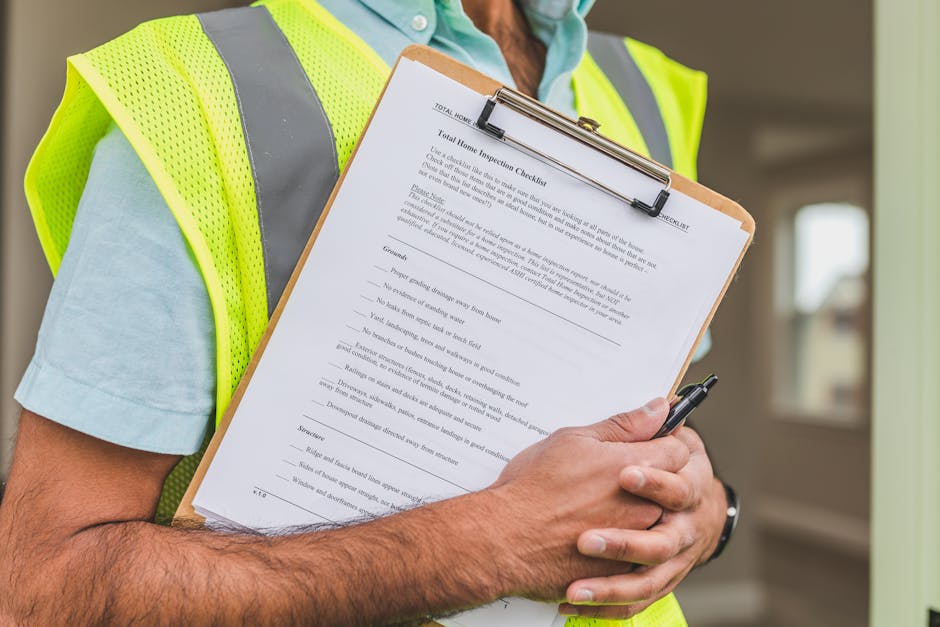
Navigating this process successfully requires thorough documentation and a clear understanding of local insurance guidelines. Working with a restoration specialist who provides comprehensive storm damage roofing services and professional insurance claims assistance ensures that your damage is accurately represented to your adjuster.
Understanding the Strict 1-Year Filing Deadline in Oklahoma
One of the most critical facts Oklahoma homeowners must know is that you have exactly one year from the date of the storm to file an insurance claim.
Under Oklahoma insurance guidelines, the right to file a property damage claim expires 365 days after the weather event occurs. Many homeowners make the mistake of waiting to file because their roof isn’t actively leaking, only to discover structural damage or hidden micro-fractures years later when it is too late to seek coverage. For a step-by-step breakdown of how to protect your rights, read our Beginner’s Guide to Insurance Roof Claims.
How Insurance Companies Handle Metal Roof Upgrades
If your insurance company approves a full roof replacement for your damaged asphalt shingles, they will write an estimate based on the cost of replacing those shingles with a similar material. This valuation is typically processed using industry-standard estimating software like Xactimate.
However, you are not obligated to replace your roof with the exact same material. You can choose to upgrade to a metal roof by paying the difference in material and specialized labor costs out of pocket. Because of the long-term energy savings and premium discounts, this “upgrade path” is one of the smartest financial moves an Oklahoma homeowner can make. To ensure your upgrade is documented correctly, always start with professional roof inspections to establish a detailed baseline of your roof’s current condition.
Addressing Common Myths: Noise, Maintenance, and Installation
Despite the growing popularity of residential metal roofing, a few common myths persist. Understanding the construction science behind modern installations helps clarify what to expect from a metal roof.
A high-performance metal roof is not simply laid over open rafters. A professional roof installation requires a solid wood deck (usually plywood or OSB), a high-performance synthetic underlayment moisture barrier, and precision-engineered metal panels. This layered system ensures structural stability, weatherproofing, and excellent sound control.
Is a Metal Roof Noisy During Oklahoma Rain and Hail?
The short answer is no. When properly installed, a metal roof is no louder than any other roofing material.
The myth of the “noisy metal roof” comes from old agricultural barns where metal panels were fastened directly to open wood framing without any solid decking or insulation underneath. On a modern residential home, the metal panels are installed flat over a solid wood roof deck, a thick layer of synthetic underlayment, and a fully insulated attic space.
This combination of wood, synthetic barriers, and fiberglass attic insulation acts as a highly effective sound-dampening system. In fact, many homeowners report that rain is actually quieter on a metal roof than on asphalt. If you ever notice unusual rattling or wind noise, it is usually a sign of loose trim or backed-out fasteners, which can be quickly resolved through professional roof repair.
Lifetime Maintenance and Care for Metal Roofs
While metal roofs are incredibly durable, they are not completely maintenance-free. To maximize the lifespan of your roof, we recommend performing simple preventative care:
- Clear Debris: Keep roof valleys, gutters, and downspouts clear of leaves, branches, and pine needles to prevent standing water.
- Inspect Fasteners: For exposed-fastener systems, have a professional check the rubber washers and screws every few years to ensure none have backed out due to thermal expansion.
- Annual Inspections: Schedule a professional inspection after any major weather event or as part of your annual home maintenance.
For homeowners looking for reliable service across the region, partnering with an experienced regional contractor who understands local wind loads and building codes is key. Working with a GAF-certified contractor ensures that your installation meets strict quality standards and is backed by robust warranties, protecting your investment for decades to come.
Frequently Asked Questions About Oklahoma Metal Roofing
Does a metal roof affect cell service or Wi-Fi in Oklahoma?
No, a metal roof does not noticeably affect residential cell service or Wi-Fi.
Cellular signals primarily enter your home through side walls, windows, and doors, rather than directly through the roof. Additionally, your home’s Wi-Fi network operates entirely on an internal router, meaning the signal is distributed locally inside your living spaces. Homeowners transitioning to metal roofs report zero cellular or wireless connectivity issues.
Can you install a metal roof over existing asphalt shingles?
While legally permissible under some local building codes, installing metal over shingles is not recommended.
Although retrofitting metal over old shingles can save on initial labor costs, it traps heat and condensation between the layers, which can lead to deck rot over time. Furthermore, tearing off the old roof is the only way for installers to inspect the underlying wood deck for structural damage, sagging, or rot, ensuring your new metal roof has a perfectly solid foundation.
Are there tax credits available for metal roofing in Oklahoma?
Yes, metal roofs with certified cool roof coatings can qualify for federal energy tax credits.
Metal roofs that feature Energy Star-certified reflective coatings help lower your home’s cooling load. Under current federal residential energy efficiency programs, installing a qualifying metal roof can make you eligible for specific tax credits designed to reward energy-saving home improvements.
Conclusion
Oklahoma’s severe weather is a constant threat to your home’s structural integrity, but you don’t have to face storm season with anxiety. Upgrading to a metal roof provides unmatched protection against hail, high winds, and soaring summer temperatures, turning your roof into a lifetime asset.
At Safe Roof, we are proud to be a GAF-certified roofing contractor serving homeowners across Oklahoma and Texas. Because we specialize in storm restoration and premium metal systems, we are able to offer industry-leading 50-year enhanced warranties and full-service support for your insurance claims. Whether you need a residential upgrade or specialized Oklahoma City Roofing services, our team is here to ensure your peace of mind.
Ready to protect your home with a roof built to last a lifetime? Contact Us today to schedule your professional roof inspection.